Red Flags in a Property Listing You Should Never Ignore
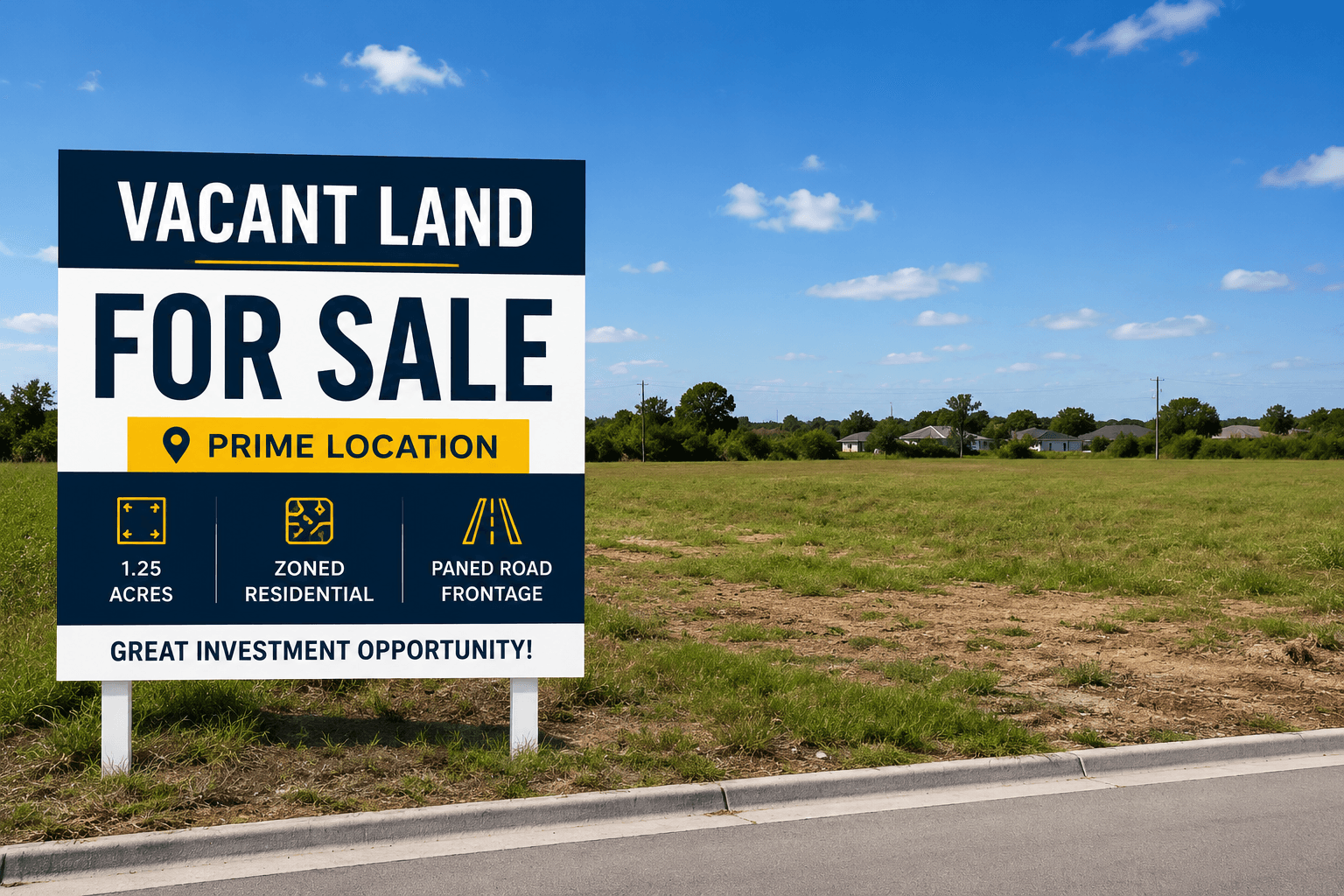
A practical guide for property buyers and renters in the Philippines
Finding a house, condominium, lot, or commercial property online has never been easier. A quick search on Facebook, Marketplace, classified-ad websites, or social media can produce hundreds of listings within minutes.
But convenience also comes with risk.
Not every property listing you see online is legitimate. Some may contain inaccurate information, unauthorized advertisements, misleading photos, unrealistic prices, or—in the worst cases—properties used to lure unsuspecting buyers or tenants into sending money.
Before you become excited about a property, learn to recognize the warning signs
Here are some red flags in a property listing you should never ignore.
1. The Price Is Suspiciously Low
Everyone wants a bargain, but an unusually low price should make you more careful—not less.
If similar properties in the same subdivision, condominium, or neighborhood are selling for ₱8 million and someone suddenly advertises one for ₱4 million, ask why.
There may be a legitimate explanation: the owner may need an urgent sale, the property may require major repairs, or there may be unusual conditions attached to the transaction.
But there may also be problems.
Before making any payment, compare the asking price with similar properties in the area and investigate why the price is significantly lower.
A bargain is only a bargain if the property and transaction are legitimate.
2. The Advertiser Refuses to Identify Himself or Herself
Who exactly are you dealing with?
A legitimate property transaction should not require you to blindly trust an anonymous Facebook account, Messenger profile, or mobile number.
Ask:
· Are you the registered owner?
· Are you a licensed real estate broker?
· Are you an accredited real estate salesperson?
· If you are representing the owner, what authority do you have to offer the property?
If the person avoids these questions or becomes defensive when you ask for identification and credentials, consider it a serious warning sign.
Before verifying the property, verify the person offering it.
3. You Are Pressured to Send a Reservation Fee Immediately
Be cautious when you hear statements such as:
“Send the reservation fee now because another buyer is waiting.”
“The owner will give it to someone else unless you deposit today.”
“Just transfer ₱20,000 so I can hold the property for you.”
A legitimate transaction can sometimes move quickly, especially for desirable properties. But urgency should never prevent you from conducting basic verification.
Before sending money, you should know:
Who is receiving the payment? What is the payment for? Is it refundable? Who owns the property? Does the person collecting the money have authority to receive it?
Never allow artificial urgency to replace due diligence.
4. The Advertiser Cannot Show Proof of Authority to Sell or Lease
Someone possessing photographs of a property does not necessarily have the authority to offer it.
Photos can be copied.
Descriptions can be copied.
Even legitimate property listings can be reposted by people with no relationship to the owner or authorized broker.
If you are dealing with someone other than the owner, ask about his or her authority to market the property.
For significant transactions, proper documentation matters.
5. The Name of the Person You Are Talking to Keeps Changing
You first communicate with one person.
Then another person gives you payment instructions.
The bank account belongs to someone else.
The supposed owner has another name.
The person conducting the viewing is yet another individual.
There can be legitimate reasons why several people are involved in a transaction. However, their roles should be clear and explainable.
If the identities and relationships do not make sense, stop and verify before proceeding.
6. The Photos Look Too Good—or Don’t Match the Property
Beautiful photographs attract inquiries, which is exactly why stolen property photos are useful to scammers.
Watch for inconsistencies:
· Different architectural styles in the same listing
· Different furniture or room layouts
· Photos that appear to come from several properties
· Watermarks belonging to another broker or company
· Images that do not match the actual location
· An advertiser who refuses to provide updated photos or arrange a viewing
Whenever practical, conduct a property inspection before committing substantial funds.
7. The Advertiser Refuses a Property Viewing
There may occasionally be legitimate reasons a property cannot be viewed immediately—for example, it may still be occupied.
But repeated excuses should concern you.
Be especially cautious if someone wants you to send money before you have even seen the property and refuses to arrange a reasonable inspection.
For overseas buyers, ask a trusted representative or properly authorized professional to inspect the property on your behalf.
8. Important Property Information Is Missing
A legitimate listing does not have to disclose every document publicly. In fact, sensitive information should be handled carefully.
However, a serious seller or representative should be able to provide basic information such as:
Property location, property type, lot or floor area, asking price, ownership status, major property features, and transaction conditions.
Statements such as “details through PM only” are not automatically suspicious, but if virtually every important detail remains hidden even after you inquire, proceed cautiously.
9. The Advertiser Avoids Questions About the Title
For titled properties, buyers should eventually verify the title and ownership before completing the transaction.
Questions may include:
· Who is the registered owner?
· Is the title clean?
· Is the property mortgaged?
· Are there annotations, liens, or encumbrances?
· Are the real property taxes updated?
· Does the person selling the property have legal authority to do so?
A photograph or photocopy of a title alone should not be treated as conclusive proof. Important documents should be independently verified by the appropriate government offices and, when necessary, by professional advisers.
10. The Seller Wants Payment Sent to an Unrelated Person
This deserves particular attention.
If you are told to transfer a reservation fee, down payment, or other funds to someone whose connection to the transaction is unclear, ask why.
Do not rely solely on a Messenger conversation as proof that someone is authorized to receive your money.
Know who the recipient is and obtain appropriate documentation for the payment.
11. The Broker or Salesperson Cannot Be Properly Identified
Real estate transactions involve substantial amounts of money. Buyers and property owners should know who is representing them.
Under the Philippines’ Real Estate Service Act, Republic Act No. 9646 (RESA), the practice of real estate service is regulated.
If someone presents himself or herself as a real estate broker, verify the person’s professional identity.
If you are dealing with a real estate salesperson, determine the licensed real estate broker under whom the salesperson is accredited.
Professional credentials should be verifiable—not merely claimed in an advertisement.
12. The Same Property Appears Under Different Names, Prices, or Contact Numbers
This does not automatically mean fraud.
In the Philippines, properties may sometimes be marketed by multiple brokers or salespersons, particularly for non-exclusive listings.
However, major inconsistencies deserve investigation.
If one advertisement says ₱10 million, another says ₱8 million, and another claims an “owner-direct rush sale” at ₱6 million, do not simply choose the cheapest advertisement.
Find out which listing is authorized and what the actual terms are.
13. The Advertiser Tells You Verification Is Unnecessary
Statements such as these should concern you:
“You can trust me.”
“I’ve been selling properties for years.”
“No need to check the documents.”
“The owner is my relative.”
“I’ll send the paperwork after you pay the reservation.”
Trust is valuable in real estate.
Verification is better.
A legitimate professional should understand why a buyer wants to perform reasonable due diligence.
Before You Pay: Verify Three ThingsBefore paying a reservation fee, earnest money, down payment, or other significant amount, remember these three questions:
1. Is the PROPERTY legitimate?
Verify the property’s existence, ownership, title or applicable documents, location, condition, and relevant obligations or encumbrances.
2. Is the PERSON legitimate?
Verify the identity and authority of the owner, broker, salesperson, or representative with whom you are dealing.
3. Is the TRANSACTION legitimate?
Understand exactly what you are paying, to whom you are paying it, the conditions attached to the payment, and what documentation you will receive.
If you cannot satisfactorily verify all three, do not allow excitement or pressure to rush your decision.
A Beautiful Listing Is Not Proof of LegitimacyProfessional photographs, thousands of Facebook followers, an impressive profile, or a convincing sales pitch do not replace verification.
Technology has made advertising property easier—but it has also made it easier to copy photographs, descriptions, names, and even professional credentials.
This is one reason buyers and sellers should make professional verification part of their normal property-search process.
Verify Before You Trust
PRED.PH — Philippine Real Estate Directory was created to help the public find and verify legitimate Philippine real estate professionals and connect with practitioners more confidently.
Instead of relying solely on social media profiles and advertisements, consumers should develop a simple habit:
See a property.
Check the property.
Check the person.
Verify before you trust.
For legitimate real estate professionals, maintaining a verifiable professional presence also helps buyers and sellers distinguish you from anonymous advertisers and unauthorized practitioners.
Final Reminder
Buying a property may involve years—or even decades—of your savings.
Taking an extra day to verify a listing is far better than spending years trying to recover money from a fraudulent transaction.
Don’t let a beautiful property photo, an irresistible price, or a “limited-time opportunity” make the decision for you.
Before you inquire, be alert.
Before you sign, investigate.
Before you pay, verify.
PRED.PH — Be Found. Be Verified. Be Trusted.
Philippine Real Estate Directory — in your pocket.
Download the app now
Browse property listings, verify licensed professionals, save favourites, and send inquiries — all in one trusted platform.


Available on the App Store for iPhone and iPad, and on Google Play for Android.
Licensed professionals
Browse listings and profiles from credential-reviewed practitioners.
Search on the go
Find properties, professionals, news, and wanted inquiries anytime.
Save favourites
Keep a shortlist and revisit listings anytime.